Allergen Removal Cleaning San Diego
By Jason Ellis, Owner · Bravo Maids San Diego · April 3, 2026
Allergen removal cleaning in San Diego requires a different approach than cleaning in any other U.S. city. The marine layer that rolls in from Mission Bay and the Pacific Beach boardwalk each evening — typically raising indoor relative humidity to 75–85% overnight — creates the exact conditions that dust mite colonies, fungal hyphae, and mold spores require to stay viable. Then, from October through March, Santa Ana wind events sweep eucalyptus pollen and sage particulate from Torrey Pines State Reserve through open windows. The result: indoor allergen loads that are elevated year-round, even in homes cleaned on a weekly schedule.
Standard cleaning — including surfactant sprays and microfiber wiping — does not solve this problem. Allergen proteins (Der p 1, Fel d 1, Can f 1) bond to surfaces and fabric. Wiping redistributes them. Destroying them requires sustained heat above 130°F, delivered at the source. That is what our 275°F Steam Cleaning protocol provides.
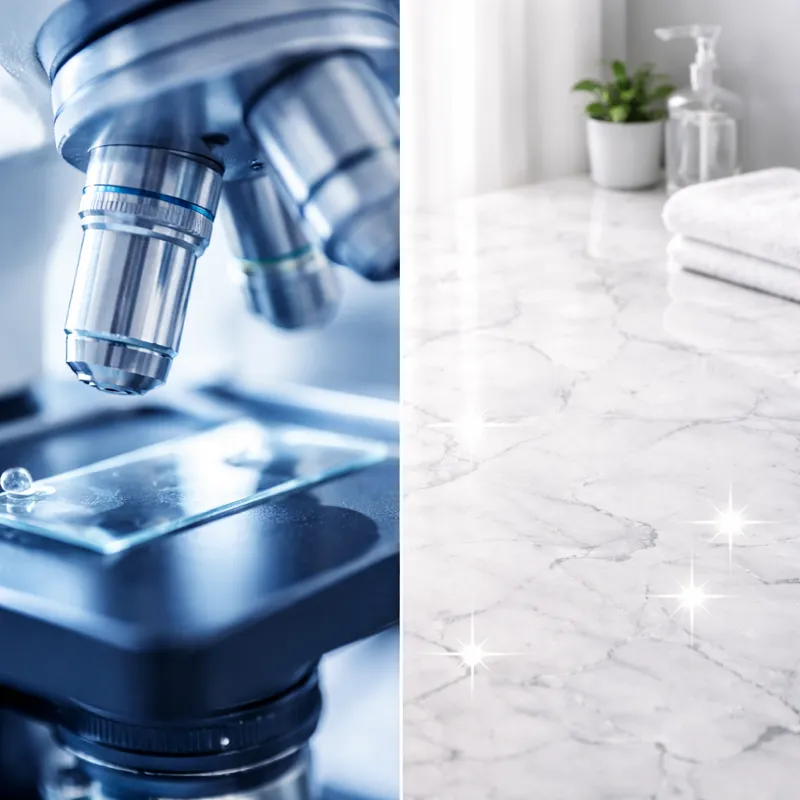
Why Allergen Removal Cleaning San Diego Homes Is Different
Inland cities like Phoenix or Las Vegas have a natural allergen suppression mechanism: summer temperatures drive indoor relative humidity below 50%, which causes dust mite populations to collapse. Coastal San Diego does not have this reprieve. The marine layer humidity cycle maintains 60–80% relative humidity in bedrooms, bathrooms, and living areas near the coast from late spring through early fall — precisely the window when Dermatophagoides pteronyssinus populations peak.
Then the Santa Ana winds arrive. From October through March, offshore wind events draw dry, particulate-laden air from inland valleys across San Diego County. This air carries Quercus agrifolia (coast live oak) pollen, eucalyptus pollen from the groves surrounding Torrey Pines, and fine silica particulate that settles into window tracks, HVAC returns, and fabric surfaces. I-5 corridor homes near Del Mar and La Jolla receive an additional PM2.5 load from brake dust and diesel exhaust.
The cycle — marine layer humidity building allergen build-up in summer, Santa Ana winds importing pollen particulate in fall and winter — means there is no low-allergen season for San Diego coastal homes. Management requires a thorough approach, not seasonal deep cleans.
San Diego Allergen Sources: What You're Actually Dealing With
Dust Mite Proteins (Der p 1 / Der f 1)
Why it's elevated in San Diego: Marine layer humidity (75–85% RH overnight) sustains Dermatophagoides colonies in mattresses, upholstery, and carpets year-round. Below 50% RH, dust mite populations collapse. San Diego coastal homes rarely dip below 55% RH.
Cleaning checklist: 275°F steam cleaning penetrates fabric and lifts the dust and build-up that trigger allergies. HEPA-13 filtration at 0.3-micron captures airborne particles during extraction.
Pet Allergens (Fel d 1 / Can f 1)
Why it's elevated in San Diego: Cat allergen glycoprotein Fel d 1 and dog allergen protein Can f 1 bond to surfaces and remain reactive for months in humid conditions. Santa Ana wind events redistribute these proteins between rooms.
Cleaning checklist: Wet extraction on hard surfaces, microfiber color-coded protocols by zone, 275°F steam on all fixture contact points.
Fungal Hyphae / Mold Spores
Why it's elevated in San Diego: Coastal bathrooms, window tracks, and grout lines develop Cladosporium and Aspergillus colonies fed by marine layer moisture ingress. These produce allergen-reactive spores that become airborne during disturbance.
Cleaning checklist: 275°F steam cleaning provides high-heat build-up removal from fungal deposits. Grout-line steam extraction removes the build-up matrix that supports colony regrowth.
Pollen / Eucalyptus / Sage Particulate
Why it's elevated in San Diego: Santa Ana wind events import Quercus agrifolia (coast live oak), eucalyptus, and sage pollen through open windows from October through March. I-5 corridor brake dust (PM2.5) compounds particulate load near Del Mar and La Jolla.
Cleaning checklist: HEPA-13 vacuum filtration captures particles as small as 0.3 microns during each surface pass. Window track crevice extraction removes particulate that settles in track channels.
Why Standard Cleaning Does Not Remove Allergens
The core issue is physical chemistry, not cleaning frequency. Allergen proteins — Der p 1 (dust mite fecal particle), Fel d 1 (cat salivary glycoprotein), Can f 1 (dog skin protein) — form molecular bonds with fabric fibers, grout surfaces, and porous materials. These bonds require mechanical force plus thermal disruption to break. Per the NIEHS overview of household allergens, this class of protein-based sensitizers persists in domestic environments for months after their source is removed without targeted treatment.
A spray-and-wipe approach with any standard cleaning agent, including surfactant-based formulations, does not provide sufficient thermal energy to lift the dust and build-up that trigger allergies from embedded surfaces. It redistributes particles from one surface to another — and in humid marine layer conditions, the redistributed particles remain active on the next surface they land on.
The sticky build-up layer that forms in bathroom grout lines, shower seams, and under toilet rims provides a protected environment where fungal hyphae and bacterial colonies anchor to surfaces. Standard cleaning products applied topically cannot penetrate this embedded build-up matrix. The colony regrows within days from the surviving anchor points.
Addressing allergens properly requires: (1) thermal energy sufficient to lift the dust and build-up that trigger allergies — sustained 275°F steam — and (2) filtration that captures displaced particles rather than recirculating them. The EPA defines HEPA filtration as capturing at least 99.97% of particles 0.3 microns or larger — the size range where dust mite allergen particles are found.
The Cleaning Checklist for Allergen Removal Cleaning in San Diego
275°F Steam Cleaning — Standard on Every Visit
Targeted dry vapor steam on all wet-zone fixtures (sinks, toilets, showers) is included in every service. At 275°F, the steam lifts the dust and build-up that trigger allergies on contact surfaces — delivered through sustained high-heat steam cleaning temperatures.
HEPA-13 Filtration — 0.3-Micron Capture
Our vacuum systems use HEPA-13 filtration, capturing particles as small as 0.3 microns. This includes dust mite fecal particles (typically 10–40 microns), Fel d 1 particles (2–20 microns), and mold spores (2–100 microns). Standard vacuum filtration allows these particles to re-enter the air column.
All-Hard-Surface Steam Upgrade ($80/room)
For households with active allergen concerns, this add-on extends 275°F steam cleaning to all tile, floors, grout, and baseboards in a room — not just wet-zone fixtures. Recommended for rooms with pets, children with asthma, or documented allergy triggers.
Microfiber Color-Coding by Zone
Each surface zone uses a dedicated microfiber cloth to prevent cross-contamination. Bathroom allergens are not transferred to kitchen surfaces. Pet-contact zones are addressed with separate cloths from food preparation areas.
Transparent Flat-Rate Pricing for Allergen Removal Cleaning
You receive a confirmed price before we arrive — not an hourly estimate that varies based on condition. See our full pricing page for volumetric breakdowns.
| Service | Starting Price | Allergen Scope |
|---|---|---|
| Recurring Maintenance | From $170 | 275°F steam on wet-zone fixtures every visit. HEPA-13 vacuum on all surfaces. |
| Deep Cleaning | From $285 | Full embedded build-up extraction from grout, baseboards, all surfaces. Removes accumulated build-up layer standard cleaning cannot reach. |
| All-Hard-Surface Steam Upgrade | $80/room | Extends 275°F steam cleaning to all tile, floors, grout, and baseboards in a room. Recommended for pet households and allergy sufferers. |
cleaners earn $30+/hr. Living wage structure ensures the top 1% of available talent — and zero turnover between visits.
Frequently Asked Questions: Allergen Removal Cleaning San Diego
Does 275°F steam lift the dust and build-up that trigger allergies?+
Yes. Dust mite allergens (Der p 1 and Der f 1) accumulate in mattress fabric, upholstery fibers, and grout lines. At 275°F, dry vapor steam penetrates these surfaces and reaches the allergen build-up at its source. The steam cleaning lifts the dust and build-up that trigger allergies. Standard wiping leaves the build-up intact because it cannot penetrate fabric or reach embedded deposits.
Can cleaning actually reduce Fel d 1 (cat allergen) and Can f 1 (dog allergen)?+
Yes, when done correctly. Fel d 1 and Can f 1 bond to fabric, carpet fibers, and hard surfaces. In San Diego's humid marine layer environment, these proteins remain on surfaces for months. HEPA-13 filtration captures airborne particles while 275°F steam cleaning lifts the dust and build-up that trigger allergies on hard surfaces. Standard cleaning products redistribute this build-up — they do not reach embedded deposits.
Why does San Diego have a worse indoor allergen problem than inland cities?+
San Diego coastal homes face a double assault. Marine layer humidity (75–85% RH overnight) keeps dust mite colonies and mold spores viable year-round. Then Santa Ana wind events import eucalyptus pollen, sage pollen, and silica particulate through open windows. Inland cities dry out enough in summer to suppress dust mite populations — coastal San Diego does not.
How often should I schedule allergen removal cleaning in San Diego?+
For households with active allergy sufferers, asthma, or pets, bi-weekly recurring maintenance with 275°F steam on wet-zone fixtures is the recommended baseline. A quarterly Deep Cleaning ($285+) should supplement any recurring schedule to address accumulated embedded build-up in grout lines and fixture collars that maintenance cleaning cannot reach.
Does your allergen removal service address mold and fungal spores?+
Yes, for surface-level mold and fungal hyphae in wet zones. Our 275°F steam cleaning provides high-heat build-up removal from these surfaces on contact. For homes with active mold growth inside walls or under flooring, that requires a licensed mold remediation contractor — we document and flag what we observe.
What is the flat-rate pricing for allergen removal cleaning?+
Recurring maintenance (includes 275°F steam on wet-zone fixtures) starts at $170. The Deep Cleaning starts at $285. The All-Hard-Surface Steam Upgrade ($80/room) extends steam cleaning to all tile, floors, grout, and baseboards — recommended for households with active allergen concerns.
Related Resources
- The Science of 275°F High-Heat Steam Clean — high-heat build-up removal, embedded build-up disruption, thermal standards
- Marine Layer Humidity in San Diego — how coastal moisture cycles drive indoor mold and dust mite growth
- Coronado Tri-Vector Protocol — salt aerosol, marine-layer humidity, and beach silica in coastal homes
- Deep Cleaning — full embedded build-up extraction for accumulated allergen loads