Hoarder House Cleaning San Diego: What Professional Cleaning Services Can Handle
Hoarding is a documented psychological condition affecting an estimated 2–6% of adults — not a character flaw or a housekeeping failure. Many San Diego families reach a point where they need outside help to begin the process of restoring a home to a livable, healthy baseline. This guide explains what a professional cleaning service can realistically accomplish, what requires specialist remediation, and what to expect from a first visit.
By Jason Ellis, Owner · May 2026 · 8 min read
Understanding the Scope
What Defines a Hoarding Situation for Cleaning Services
The clinical community uses a five-level severity scale to describe hoarding situations. From a cleaning services perspective, the most useful distinction is a simplified three-level framework that maps to what different types of professionals can safely address.
All doorways and hallways are passable. Surfaces exist but are covered. No significant odor, no sanitation concerns. Cleaning is possible once items are moved or consolidated. Standard professional cleaning is appropriate at this level.
Items block parts of some rooms. Odor may be present from organic material, food residue, or pet waste. Surfaces that have been covered for extended periods may have mold, mildew, or embedded build-up. Professional cleaning with high-heat steam clean is appropriate. Some preparation by the resident before the appointment helps.
Active pest infestation, sewage exposure, animal waste accumulation, structural damage from moisture or pests, or any condition requiring protective equipment and licensed remediation. This is beyond the scope of professional cleaning — specialist firms are required.
The reason this framework matters is simple: a cleaning service and a remediation firm are not the same thing. Asking a cleaning service to handle a Level 3+ situation puts both the client and the cleaning team at risk. Honest scope assessment from the beginning protects everyone.
Our Scope
What Bravo Maids Can Handle: Level 1–2
For Level 1 and Level 2 situations, our Certified Cleaning Specialists are trained to work methodically through accessible areas without judgment, without commentary, and without pressure on the resident. EPA research confirms indoor air quality can be significantly impacted by accumulated particulate and mold spores — a key reason professional-grade HEPA filtration matters in these environments. Here is what falls within our scope:
- ✓Countertops, tables, and horizontal surfaces once items are consolidated
- ✓Floors, baseboards, and wall surfaces within reach
- ✓Bathroom surfaces including fixtures, tile, and grout
- ✓Kitchen surfaces including appliance exteriors and sink area
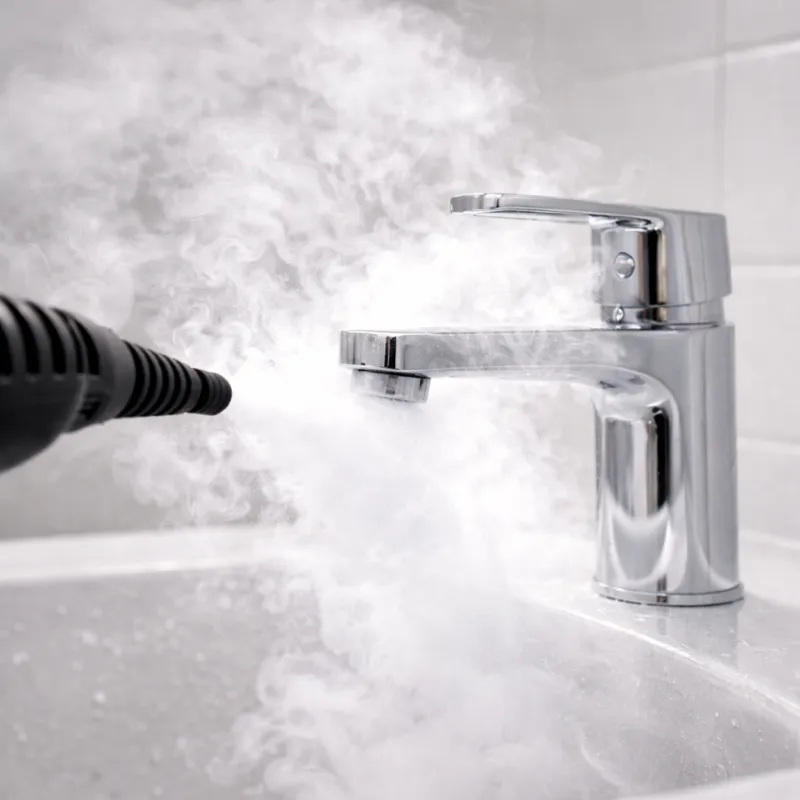
- ✓275°F steam cleaning treatment on surfaces with embedded odor or embedded build-up
- ✓Grout and tile steam extraction for areas sealed under items
- ✓Mattress and upholstered surface deep cleaning where accessible
- ✓Kitchen and bathroom surface build-up removal
- ✓HEPA filtration (0.3 micron) during cleaning to capture airborne particulate
- ✓Reduction of mold spore and allergen concentration on accessible surfaces
- ✓Wet-wipe protocols that capture rather than redistribute surface contamination
- ✓Clear scope call before any appointment to set realistic expectations
- ✓No-judgment assessment of what one visit can reasonably accomplish
- ✓Direct referral to appropriate specialists if the situation warrants it
- ✓Follow-up scope planning if multiple visits are needed
Important limitation: Bravo Maids Certified Cleaning Specialists do not sort, remove, or dispose of personal belongings. Item removal is a separate process — either handled by the resident at their own pace or by a professional organizer or junk removal service. Our scope begins where surfaces are accessible. For households with allergic occupants, the Asthma and Allergy Foundation of America recommends professional HEPA-equipped cleaning to reduce embedded allergen load.
Know the Boundary
What Requires Specialist Remediation: Level 3 and Above
We believe in being direct about what a professional cleaning service should not attempt. The following conditions require licensed remediation firms — not a cleaning service. Sending a cleaning team into these situations is unsafe for the team and inadequate for the situation.
Sewage backup or overflow, blood, decomposition, or significant animal waste accumulation. These require licensed biohazard remediation with appropriate PPE and disposal protocols.
Live rodent infestation, cockroach infestation, or bedbug presence. Pest extermination must precede any cleaning. Disturbing an active infestation during cleaning spreads it.
Water-damaged subfloor, walls with active mold colonization beyond surface level, or ceiling damage from roof leaks. These require structural assessment and licensed mold remediation.
Ductwork or HVAC systems compromised by mold, pest nesting, or heavy particulate accumulation. Requires specialized duct cleaning and system inspection before the space is cleanable.
Hoarded chemicals, solvents, paint cans, propane tanks, or other potentially reactive materials. Removal and disposal require hazardous materials handling — beyond cleaning scope.
Our commitment: If you describe your situation during the scope call and it falls into Level 3+ territory, we will tell you clearly — and we can point you toward appropriate San Diego County licensed remediation resources. We would rather give you an honest referral than take a job we cannot do safely or well.
Step by Step
What a Bravo Maids First Visit Looks Like for a Hoarding-Adjacent Situation
We have built a specific process for these situations — one that prioritizes your comfort, sets honest expectations, and delivers a meaningful result on the first visit.
Before scheduling anything, we do a confidential phone or video scope call. You describe the situation in whatever terms feel comfortable. We ask practical questions: which rooms are the priority, what is accessible, are there any pets or residents with specific sensitivities. There is no pressure, no judgment, and no minimum commitment. The call exists to make sure we can actually help.
Based on the scope call, we will send a written summary of what we can accomplish in one visit and what realistically requires more time or a different approach. We will also note clearly if any aspect of the situation warrants specialist referral before cleaning begins. This gives you something concrete to work from.
Our cleaners arrive in an unmarked vehicle at a time that works for you. We do not bring team members who have not been briefed on the situation. We work quietly, we do not comment on the state of the space, and we follow your lead on what areas to prioritize.
We work methodically through accessible areas using our standard clinical protocol: HEPA filtration running throughout, wet-wipe surface cleaning to capture rather than redistribute contamination, high-heat steam clean on surfaces with odor or embedded build-up, and pH-neutral solutions on tile, grout, and fixtures.
At the end of the visit, we walk through what was addressed, what remains, and what a realistic follow-up plan looks like. Many hoarding-adjacent situations take multiple visits as more surfaces become accessible. We plan around your timeline — not ours.
Why It Matters
Why Professional Help Matters: The Health Risks of Accumulated Clutter
Beyond the visible state of a space, accumulated clutter creates specific health hazards that are often invisible until they become serious. Understanding these risks helps explain why professional-grade cleaning tools — HEPA filtration, deep cleaning, pH-neutral surfactants — matter in these situations more than in a standard home.
Materials stored long-term — plastics, foam, adhesives, cleaning products — off-gas volatile organic compounds that accumulate in enclosed spaces. Elevated VOC concentrations cause headaches, respiratory irritation, and long-term indoor air quality degradation.
Items blocking airflow create moisture traps. In any home — and especially in coastal San Diego — trapped moisture leads to mold colonization on walls, floors, and organic materials within weeks. Mold spores are a serious respiratory hazard for vulnerable occupants.
Accumulated items trap pet dander, dust mite populations, pollen, and skin cells at levels far above a regularly cleaned home. For residents with asthma, allergies, or compromised immune function, this elevated allergen load has measurable health consequences.
Professional cleaning does not resolve every health risk associated with hoarding — that requires the broader process of reducing accumulation. But restoring accessible surfaces to a clean, deep-cleaned baseline meaningfully reduces the immediate health hazards that affect daily life: airborne mold spores, surface embedded build-up, and concentrated allergen loads.
San Diego Context
Coastal Humidity Accelerates Mold and Embedded Build-Up in Cluttered Spaces
San Diego's marine layer is one of the most recognizable features of coastal life here. But it has a less-discussed consequence inside homes: sustained ambient humidity — particularly in coastal communities from Ocean Beach and Del Mar to inland communities like Linda Vista and Normal Heights — creates conditions where mold and embedded build-up grow faster than in drier climates.
Items resting on floors, against walls, or in corners block airflow. In a dry inland climate, surfaces beneath items stay relatively dry. In coastal San Diego — where marine layer humidity regularly reaches 80–90% overnight — those surfaces absorb moisture continuously. Within weeks, mold begins colonizing the underside of cardboard, fabric, and organic materials.
Hard surfaces — tile, countertops, baseboards — develop embedded build-up layers when they are not regularly cleaned and airflow is restricted. Coastal humidity accelerates embedded build-up thickening. Our 275°F steam protocol lifts embedded build-up from the surface, addressing accumulation that surface wiping alone cannot remove.
Within 3 miles of the coast, airborne salt aerosol from the Pacific integrates into accumulated dust and surface films. This combination — salt, moisture, organic material — creates a particularly adhesive surface contamination layer that requires wet-wipe protocols rather than dry dusting.
This is why San Diego hoarding-adjacent situations benefit from house cleaning protocols more than a standard wipe-down. The coastal environment means that surfaces left uncleaned for extended periods accumulate more contamination, more quickly, than the same surfaces would in a drier climate.
Frequently Asked Questions
Can a professional cleaning service help with a hoarding situation?
Yes, for Level 1 and Level 2 hoarding situations. Level 1 involves excess clutter with accessible surfaces and walkable pathways — a professional cleaning service can address standard cleaning tasks once items are consolidated or moved. Level 2 involves moderate accumulation with some odor or surface contamination, where high-heat steam clean helps with embedded embedded build-up. Level 3 and above — involving biohazard material, pest infestation, or structural damage — require specialist remediation firms, not a standard cleaning service.
What does Bravo Maids do differently for hoarding-adjacent homes?
We start with a confidential scope call — no judgment, no pressure. Our cleaners assess what is accessible, identify areas that need specialist referral rather than cleaning, and give an honest assessment of what one visit can reasonably accomplish. We use 275°F high-heat steam clean to address embedded odors and embedded build-up on surfaces that have been covered for extended periods. We do not move personal belongings or remove items — that step is separate from the cleaning scope.
Why are hoarding situations a particular health concern in San Diego?
San Diego's coastal humidity — especially in areas like Ocean Beach, Mission Beach, and the coastal inland corridor — accelerates mold and embedded build-up growth in cluttered spaces. When items block airflow, moisture accumulates behind and beneath them, creating conditions for mold colonization on walls, baseboards, and floor surfaces. Accumulated items also trap volatile organic compounds (VOCs) from off-gassing materials, which increase indoor air pollutant levels. Professional cleaning with HEPA filtration and high-heat steam clean addresses both the surface contamination and airborne particulate load.
Do I need to declutter before the cleaning appointment?
Not necessarily before calling us — that is part of the scope call conversation. For Level 1 situations, cleaners can work around accessible areas while you handle item consolidation at your own pace. For Level 2 situations, some preparation helps our team reach the surfaces that need attention. We will be specific about what preparation makes the most difference for your situation, and we will never pressure you to rush a process that takes time.
When should I call a specialist instead of a cleaning service?
Call a specialist — not a cleaning company — when the situation involves biohazard material (sewage, animal waste, blood, decomposition), active pest infestation (rodents, cockroaches, bedbugs), structural damage from moisture or pests, or any situation where the cleaning team cannot safely enter and work without remediation equipment and licensing. We will tell you honestly during the scope call if your situation falls outside what a cleaning service should handle, and we can refer you to licensed remediation firms that operate in San Diego County.
Related Guides
Professional vacancy-reset cleaning with a Digital Job Checklist so you can see exactly what our crew completed.
A room-by-room scope guide for what a clinical deep clean covers — useful context when planning a hoarding-adjacent first visit.
Overview of Bravo Maids recurring and one-time cleaning services across San Diego — for when a hoarding-adjacent space has been restored to a maintainable baseline.
Ready to Have a Conversation?
If you would like to discuss your situation confidentially, we are happy to do a scope call first — no appointment commitment, no judgment. Tell us what you are working with and we will give you an honest answer about what professional cleaning can realistically accomplish.
All calls and inquiries are confidential. We serve San Diego County.
Last reviewed: October 2026