How to Get Construction Dust Out of House
Construction dust isn't regular dust—it contains crystalline silica, a carcinogen that standard cleaning methods spread rather than remove. Here's why your post-renovation cleanup failed and what actually works.
Jason Ellis, Owner
Bravo Maids San Diego · cleaners with 8+ years of experience · Our editorial standards →
Why Standard Cleaning Makes Construction Dust Worse
When you vacuum construction dust with a standard vacuum, fine dust can pass through the filter and drift back into the air. You're breathing the dust you thought you removed. For heavy dust, see OSHA's crystalline silica guidance.
Wiping surfaces with a damp cloth captures visible dust but pushes microscopic silica into pores, grout lines, and crevices. It looks clean. It isn't.
The Settling Error: Construction dust continues settling for 48-72 hours after work stops. Cleaning too early means cleaning twice.
The 3-Step Plan for Construction Dust
Step 1: Let the Dust Settle (Hours 0-24)
Before touching any surface, give airborne dust time to settle. This keeps you from stirring it back up while you clean. The EPA's indoor air quality guidelines emphasize good ventilation.
- Close doors to the work area
- Open a window if you can
- Keep HVAC off to prevent duct contamination
Step 2: Vacuum carefully (Hours 24-48)
Using a vacuum with a sealed system, pick up settled dust from ceilings, walls, fixtures, furniture and floors. Work top-to-bottom, far-to-near.
- Ceilings and crown molding first
- Walls, light fixtures, window frames
- Furniture (including undersides)
- Floors last (dust falls downward)
Step 3: Wipe Surfaces (Hours 48-72)
With most dust removed, wipe surfaces using the right method for each:
- Hard surfaces: Damp microfiber with gentle cleaner
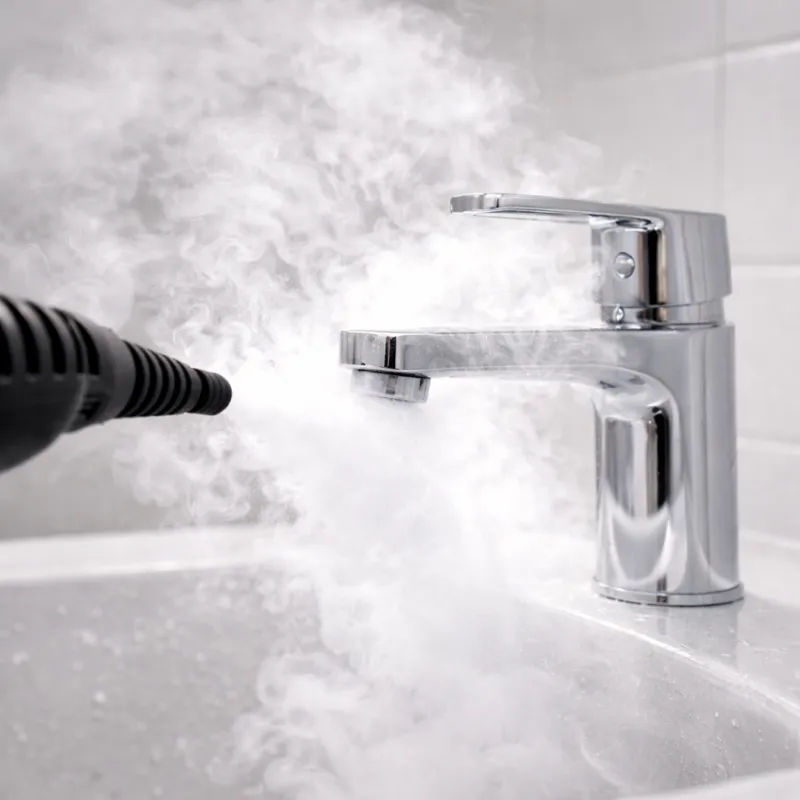
- Grout and textured surfaces: Steam cleaner, if you have one
- Soft furnishings: upholstery attachment or professional cleaning
Homeowner maintenance (not part of any cleaning service)
- Replace HVAC filters, clean registers, and consider professional duct cleaning to prevent recirculation.
For homes with several renovated rooms, see our post-renovation cleaning services.
Don't settle for a visual clean—we walk the space with you before we call it done.
Final Walkthrough
What we check before we leave
Walkthrough Checklist
Walked through with you before we go
Bravo Maids | bravomaids.com
DIY vs. Professional Cleanup
For minor renovations (single room, short duration), DIY with the right equipment can work. For major projects, the equipment cost can add up. Our post-construction cleaning service brings its own vacuums and equipment. The steam step helps with grout lines and textured surfaces — we explain how it works in our floor and grout steam cleaning guide.
DIY Makes Sense When:
- • Single room renovation
- • Work lasted less than 1 week
- • You own a vacuum with a sealed system
- • No respiratory sensitivities in household
Call Professionals When:
- • Whole-house renovation
- • Drywall, concrete, or tile cutting involved
- • Children, older adults, or anyone sensitive to dust present
- • Contractor walkthrough or sale pending
Equipment That Helps
Not every vacuum labeled "high performance" is truly sealed. Fine dust is tiny, so a sealed system with a good filter matters.
- Vacuum: Sealed system with a good filter
- Ventilation: An open window and a fan blowing outward, if you can
- Steam: A steam cleaner for grout (not a carpet steamer)
- PPE: N95 minimum, P100 preferred for heavy silica (see OSHA silica safety standards)
Need Help With Post-Construction Cleanup?
Our cleaners are background-checked and bring all supplies and equipment. Flat-rate pricing. If something on your booked checklist was missed, tell us within 24 hours and we'll come back and fix that item.
Timeline: When to Start Cleaning
The biggest mistake? Cleaning the day construction ends. Dust continues settling for days.
- Day 0: Construction complete—let the dust settle
- Day 1-2: Keep ventilating, begin vacuuming settled surfaces
- Day 2-3: Wipe surfaces, steam grout
- Day 3-4: Final check
This article is part of our Cleaning Checklist series on construction-grade cleaning. For post-construction cleaning in San Diego, contact Bravo Maids at (619) 853-3200. See our services page for full service details.
Frequently Asked Questions
Why does standard cleaning spread construction dust instead of removing it?
A regular vacuum can blow fine dust back into the air, and wiping can push it into grout lines and small gaps. A vacuum with a sealed system and a good filter helps pick up construction dust instead of spreading it.
How long does construction dust take to settle after work stops?
Construction dust continues settling for 48-72 hours after work stops. Cleaning too early means cleaning twice. Air scrubbing should begin immediately, but surface cleaning should wait until the dust has fully settled.
What equipment is needed for proper construction dust removal?
A good plan for construction dust is a vacuum with a sealed system and a good filter, damp microfiber cloths, patience while the dust settles, and an N95 or P100 mask for heavy dust.
Ready for a Cleaner Home?
Tell us about your home and the cleaning you need. We'll confirm your quote and checklist before your visit.
Family-owned · Free quotes · Flexible scheduling
Related Articles
Post-Renovation Cleaning Services
Post-construction cleaning for contractors and homeowners.
Learn more →Move-Out Cleaning: What Tenants Owe
What tenants owe, what landlords expect, and how to prepare for move-out.
Learn more →